Street Culture Font: Rustic Serif Charm for Handmade Goods
If you’ve ever spent hours tweaking a candle label only to find the typeface feels too stiff—or too fussy—then Street Culture is the display font that quietly solves it. As a maker who designs printable wall art, wedding welcome boards, and boutique product tags, I reached for this rustic serif again and again—not because it’s trendy, but because it delivers warmth, clarity, and subtle personality without sacrificing readability.
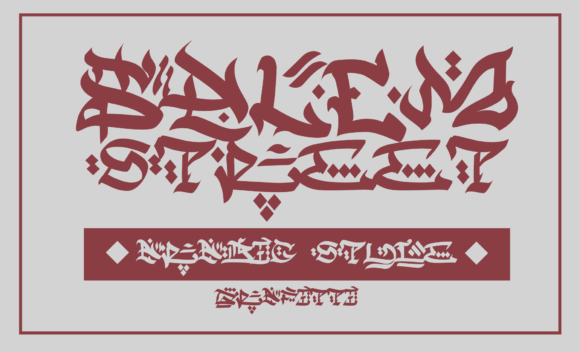
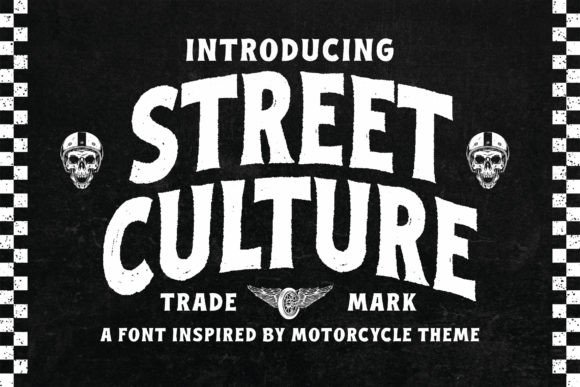
Street Culture is a carefully crafted serif font inspired by vintage college typography: think hand-printed course posters, analog yearbook headings, and weathered campus signage. It’s not overly distressed or grungy—it’s rustic with restraint. The letterforms carry gentle irregularities, soft contrast between thick and thin strokes, and open counters that breathe on small labels and tight sticker layouts. That balance makes it ideal for physical products where legibility meets charm.
Where Street Culture Shines in Real Craft Projects
This isn’t a font for body text or long paragraphs—and it shouldn’t be. Street Culture is built for impact: short phrases, names, titles, and decorative wording that anchor your design. Here’s how it works across my most-used product categories:
- Candle & soap labels: Paired with a clean sans serif for ingredients (like Montserrat or Inter), Street Culture adds instant character to brand names like “Hearth & Pine” or “Claybrook Co.” Its sturdy x-height holds up beautifully at 14–18pt on 2” x 1.5” kraft labels—even when printed on matte paper.
- Wedding stationery: I use it for “Mr. & Mrs.” on foil-stamped invitation suites, “Welcome” on farmhouse-style welcome signs, and couple names on acrylic cake toppers. It reads as intentional, timeless, and quietly confident—not cutesy or overly formal.
- Digital printables: Planner covers, quote pages, and seasonal SVG bundles gain cohesion when Street Culture anchors headlines. Its consistent weight and spacing make it reliable in Canva, Silhouette Studio, and Cricut Design Space—no unexpected kerning jumps or clipped letters during cut previews.
- Product packaging & tags: For ceramic mugs, linen totes, or handmade tea tins, Street Culture scales cleanly from 8pt (on tiny hang tags) up to 120pt (for large-scale wall art). Unlike some display fonts, its lowercase ‘a’, ‘e’, and ‘g’ remain distinct even at smaller sizes—critical when customers glance at your Etsy thumbnail or shelf display.
- Seasonal craft designs: It layers effortlessly into holiday collections—“Gather”, “Joy”, or “Cozy” in autumnal SVG files; “Merry” or “Noel” on printable gift tags. The rustic serif tone feels grounded, not dated, so it works across spring markets, summer weddings, and winter pop-ups.
Pairing Street Culture Thoughtfully
Because Street Culture carries expressive weight, pairing matters. I rarely use it alone. My go-to combinations:
- With a warm script font (like “Lavanderia” or “Quicksand Script”) for contrast—e.g., “Emma & James” in Street Culture, followed by “October 12, 2024” in delicate script. The serif grounds the flourish.
- With a neutral sans serif (like Poppins, Lato, or Open Sans) for hierarchy—headline in Street Culture, details in sans. This combo keeps packaging scannable and professional.
- With a quiet serif (like Playfair Display or Cormorant Garamond) for high-end stationery—using Street Culture for bold accents and the companion serif for longer text blocks. Their shared serif DNA creates harmony without monotony.
Practical Notes Before You Design
Street Culture is delivered as a premium display font, and includes standard OpenType features: ligatures for smoother “fi”, “fl”, and “ff” connections, alternate characters for subtle variation, and full multilingual support covering Western European languages. File formats include .OTF and .TTF—both fully compatible with Cricut Design Space, Silhouette Studio, Adobe Creative Cloud, and free tools like Inkscape and Canva.
For cutting machines: always convert text to outlines before sending to your machine, especially if using swashes or alternates. And when sizing for stickers under 1.25”, stick to uppercase or simplified words—“BLOOM” reads more clearly than “bloom” at tiny scale.
Most importantly: Street Culture includes a commercial license. That means you can use it in templates you sell on Etsy, SVG files for Cricut users, printable planners, client branding projects, and physical goods like mugs, shirts, and tote bags—no extra fees or attribution required. Just keep your license file handy for peace of mind.
Why This Font Feels Like a Trusted Tool
As someone who’s tested dozens of serif fonts for physical product work, Street Culture stands out because it bridges two needs that often compete: visual appeal and production reliability. It doesn’t demand extra kerning tweaks, won’t break at small sizes, and avoids the “too-precious” trap that makes some display fonts feel fragile in real-world use. Its college-inspired roots give it authenticity—not gimmickry.
When customers see Street Culture on your product, they don’t just read the words—they register tone. Warmth. Intention. A sense that what they’re holding was made with care, not just assembled. That emotional resonance translates directly into repeat buyers, social shares, and word-of-mouth trust.
Whether you're designing a single batch of farmer’s market soap labels or building a full printable shop around cohesive typography, Street Culture earns its place in your design assets—not as a novelty, but as a working serif font that supports your brand identity, streamlines your workflow, and quietly elevates every physical piece you make.